

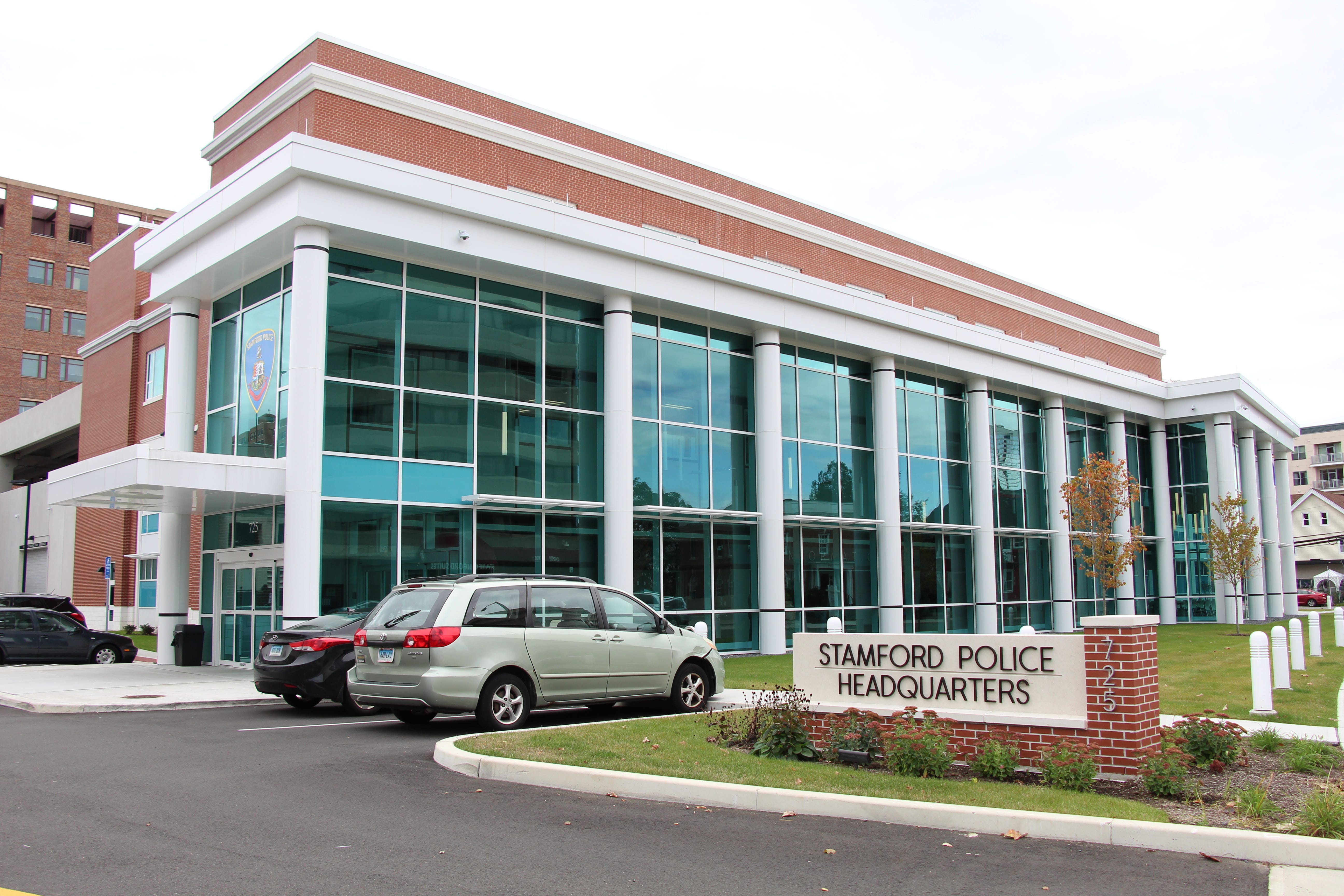
The Department of Public Safety, Health, and Welfare is the largest and most complex division of Stamford’s municipal government. Funding the department takes up (on average) 15% of the entire city budget and it possesses a workforce of over 800 personnel. Public Safety is the primary engine behind the city’s emergency response and quality-of-life enforcement.
“Public Safety” is typically viewed as Police and Fire, but the department also includes the Health Department. The health department is responsible for everything from restaurant inspections to elevator safety, and also mental health services or environmental monitoring.
Who is Accountable for Public Safety in Stamford?
The Department of Public Safety operates under a centralized leadership structure designed to ensure coordination between different emergency branches.
Ultimately, the most accountable position is the Director of Public Safety. This is a cabinet-level position, which means it is appointed by the mayor and approved by the Board of Representatives. The Director of Public Safety is the civilian authority responsible for the administration, supervision, and performance of all municipal functions related to public safety and health. While the Director of Public Safety is frequently a former firefighter or police officer of a municipality (such as Stamford, but occasionally elsewhere), they are not a current firefighter or police officer. The Director of Public Safety is the most superior official for all Public Safety in Stamford — second only to the mayor.
Individual management of sub-departments is done by different “chiefs.” The Police Chief, Fire Chief, and Health Director manage the day-to-day operations of their respective departments. The Director provides the “thirty-thousand foot” oversight to ensure the city meets its long-term safety goals.
The Six Pillars of Public Safety
Stamford’s safety infrastructure is built on six distinct pillars. Each has a specific mandate and unique responsibilities.
1. Police Department (SPD)
The Police Department is responsible for law enforcement, crime prevention, and traffic safety. Beyond responding to 911 calls, the SPD manages specialized units such as the Bomb Squad, the Narcotics and Organized Crime unit, and a local Police Academy. The department is also increasingly focused on “proactive” policing, using technology like the Real-Time Crime Center (Fusion Center) and drones to monitor incidents before officers arrive on the scene.
Historically, the Stamford Police Department has disputed their responsibility over traffic enforcement. Previously, Stamford’s Police Department has argued traffic enforcement is a civil offense that should be managed by other government workers — whereas police is focused on criminal offenses. However since 2021, Stamford’s Police Department has said they are focusing on more traffic enforcement.
2. Fire Department (SFD)
The Stamford Fire Department provides fire suppression, technical rescue, and hazardous materials response. Notably, Stamford firefighters are also trained as medical first responders. Because fire stations are strategically placed throughout the city, a fire engine often arrives at a medical emergency faster than an ambulance to provide life-saving care until paramedics arrive. Stamford’s Fire Department follows the trends of other municipalities across the country by providing more medical response than fire response by a significant degree. However, Stamford’s Fire Department has historically refused to disclose to the public the specifics of how many responses they conducted in a calendar year.
3. 911 Communications (ECC)
The Emergency Communications Center (ECC) is the “brain” of Stamford’s public safety operation. Every emergency call in Stamford is routed here. The ECC is staffed by civilian telecommunicators who are trained to triage calls, provide medical instructions over the phone, and dispatch the appropriate resources (Police, Fire, or EMS).
4. Emergency Medical Services (SEMS)
Unlike the Police or Fire departments, Stamford EMS is a contracted private entity — not a city department staffed by municipal employees. However, they work in lockstep with city officials. SEMS provides the highly trained paramedics and ambulances that transport patients to the hospital and manage advanced life-support care.
5. Health and Human Services
The “Health” portion of Public Safety is responsible for the public health of the city, which includes:
Environmental Inspections: Checking restaurants for safety and inspecting housing for issues like lead or mold.
Public Nursing: Providing vaccinations and laboratory services.
Social Services: Managing the Youth Mental Health Alliance and postvention services for families after a crisis.
6. Citation Enforcement
This unit focuses on “quality of life” issues that don’t necessarily require a police officer. This includes enforcing city ordinances regarding illegal dumping, leaf violations, and blocked sidewalks. The goal of this branch is compliance and education rather than punitive punishment.
Resources for Residents
Understanding public safety is the first step toward utilizing it effectively. Residents can engage with these services beyond emergency situations through several community programs:
CERT (Community Emergency Response Team): A program that trains volunteers in basic disaster response skills like fire safety and light search and rescue.
MRC (Medical Reserve Corps): A network of medical and non-medical volunteers who assist during public health emergencies.
Vision Zero: A city-wide initiative focused on eliminating traffic fatalities through better road design and enforcement. Vision Zero is implemented by Stamford’s Transportation, Traffic, and Parking department which is managed by the Department of Operations (not Public Safety).
This article was based on the City of Stamford’s presentation to the Board of Representatives on December 22, 2025.