

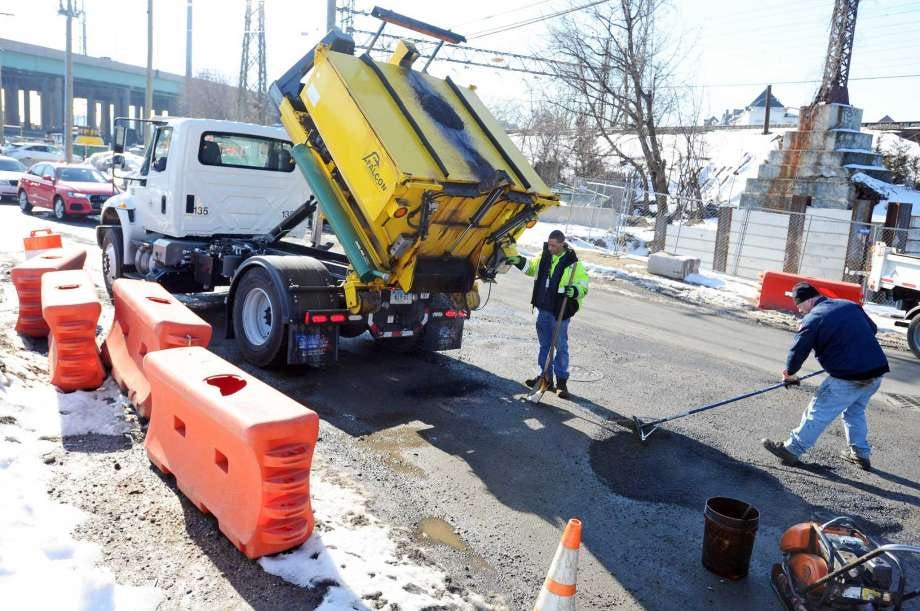
The Department of Operations is the most visible face of Stamford’s local government. While other departments manage policy or public safety, Operations is responsible for the physical reality of the city — “from the road to the sky.” Whether it is filling a pothole, collecting garbage, or constructing a new multimillion dollar high school, Operations manages the infrastructure and services that residents interact with every day.
Because of its broad reach, the Department of Operations is the primary point of contact for quality-of-life issues. When services fail to meet expectations, residents reach out to Operations for a response.
Who is Accountable for Operations in Stamford?
The Department of Operations is led by a centralized administrative team that coordinates across more than a dozen distinct divisions.
The most accountable official is the Director of Operations. This is a cabinet-level position, appointed by the Mayor and confirmed by the Board of Representatives. The Director serves as the lead civilian authority for the city’s infrastructure, planning, and maintenance. Assisting the Director is a Deputy Director of Operations, who often handles specialized administrative functions, such as facility management and internal coordination. The Deputy Director is a relatively new position in Stamford’s history (created in 2022).
While individual divisions are managed by specialized experts — such as the Chief City Engineer or the Land Use Bureau Chief — the Director of Operations provides the “thirty-thousand-foot” oversight. This ensures a paving project on a local street is coordinated between the utility company and the Department of Transportation to avoid redundant work and maximize efficiency.
The Pillars of Operations
The Department of Operations is organized into several key divisions, each with a specific mandate.
1. Building and Code Enforcement
This division is responsible for public safety through the issuance of building permits and conducting inspections. In recent years, the city has consolidated Zoning Enforcement and Anti-Blight operations under this department. By aligning these teams, the city aims to use every available enforcement tool — from fines to legal orders — to ensure private properties meet community standards for upkeep and safety.
Historically, the Anti-Blight department has been underfunded and delegated to non-governmental entities.
2. Engineering and Capital Projects
The Engineering division oversees the design and construction of the city’s most significant physical assets. This includes storm sewers, bridges, and municipal facilities. They are also responsible for specialized drainage assessments, often utilizing federal funding grants to address flood-prone areas.
Historically, the engineering department oversaw transportation engineering projects. The department’s responsibilities changed in 2017 when Mayor David Martin created the Department of Transportation, Traffic, and Parking.
3. Parks and Recreation
Stamford maintains over 900 acres of land, including 58 parks and 4 beaches. This department manages everything from the maintenance of athletic fields to the administration of youth and adult sports leagues. It also oversees the city’s marinas and waterfront assets.
4. Recycling and Sanitation
Potentially the most frequent service provided to residents, the recycling and sanitation department manages waste collection for over 55,000 households and handles approximately 76 tons of municipal solid waste. They also manage pilot programs for composting, textiles, and glass recycling to improve the city’s environmental footprint.
5. Road Maintenance and Stormwater
Road Maintenance handles the highest visible tasks for motorists: snow removal, leaf pickup, and the annual paving program. They also maintain the city’s catch basins to ensure proper drainage during storm events.
Road Maintenance can be confused with Transportation, Traffic, and Parking. Road Maintenance maintains the current roads, while Transportation, Traffic, and Parking engineers and oversees new infrastructure projects.
6. School Construction
A relatively new pillar within Operations, this division manages the massive undertaking of rebuilding Stamford’s educational infrastructure. Current major projects include the new West Hill High School and the Roxbury K-8 building. Beyond “mega-projects,” this division manages a “Small Capital Program” that has invested over $25 million in windows, roofs, and HVAC repairs across 21 school buildings.
School infrastructure was a major priority for Mayor Caroline Simmons in 2022 following the mold crisis in school buildings during the Martin administration.
7. Transportation, Traffic, and Parking
This division focuses on mobility and pedestrian safety. It leads the Vision Zero initiative, which aims to eliminate traffic fatalities through better road design. They also manage city parking assets and specialized transit programs like Stamford Forward, a micro-transit service for residents.
Feather Ruffler is largely critical of Vision Zero.
Funding and Infrastructure
The Department of Operations is funded through a combination of the city’s annual operating budget and the capital budget.
Operating Budget: Covers day-to-day costs like salaries for sanitation workers, fuel for snowplows, and electricity for streetlights.
Capital Budget: Covers long-term investments. This includes paving commitments and major school construction projects.
Grants: The department pursues state and federal grants — particularly for environmental resilience (drainage) and transportation improvements.
Resources for Residents
Residents can engage with the Department of Operations through several official channels to report issues or request services:
Fix It Stamford: The city’s primary digital tool for reporting non-emergency issues like potholes, broken streetlights, or missed trash pickups.
Operations Command Post: A centralized coordination hub at Government Center used for situational awareness during emergencies like hurricanes or blizzards.
Board of Representatives: Residents often contact their district representatives to advocate for neighborhood-specific infrastructure needs, such as sidewalk repairs or traffic calming measures. The Department of Operations relies on local representatives to share the priorities of their neighborhood.
This article was based on the City of Stamford’s Operations Committee meeting held on December 18, 2025.